

Your heating and cooling equipment works hard year-round, especially in Florida’s heat and humidity. A practical essential maintenance routine can support steadier comfort, reduce unnecessary system strain, and make developing problems easier to identify before they interrupt your day. The key is combining safe homeowner tasks with professional service at the right times.
Some HVAC care can be handled without special tools. Other work requires technical training and access to internal components. Use the following tips to build a manageable maintenance plan and recognize when it is time to schedule service with Altman’s Cooling & Heating.
Start With the Air Filter
Checking the air filter is one of the easiest and most important maintenance tasks a homeowner can perform. A filter covered with dust and debris can restrict airflow, forcing the system to run longer to move conditioned air through the home.
Inspect the filter regularly and replace or clean it according to the manufacturer’s instructions. Homes with pets, renovation dust, or heavier system use may require more frequent attention. Make sure the replacement is the correct size and is installed with the airflow arrow pointing in the proper direction. Altman’s Cooling & Heating also recommends routine filter attention as part of ongoing air conditioning care.
Keep Vents and Return Grilles Open
Furniture, rugs, curtains, and storage can accidentally block supply vents or return-air grilles. Walk through the home periodically and make sure air can move freely through each opening.
Closing several vents in unused rooms may seem like a way to save energy, but it can disrupt the pressure and airflow the system was designed to maintain. It is generally better to keep vents open unless a technician has recommended a professionally designed zoning solution.
Remove light surface dust from vent covers and grilles. Unusually heavy buildup, weak airflow, or dark staining around several vents should be professionally inspected.
Give the Outdoor Unit Room to Breathe
Leaves, grass clippings, weeds, and windblown debris can collect around the outdoor unit. Check the area periodically and remove loose material that may limit airflow. Trim vegetation back so the equipment has clear space around it, but do not place tools inside the cabinet or bend the coil fins.
Before performing light cleaning near the unit, turn off the system and follow the manufacturer’s safety guidance. Internal coil cleaning, electrical work, fan repairs, and refrigerant-related service should be left to a qualified technician. Keeping outdoor equipment clear is also part of Altman’s homeowner maintenance guidance.
Check the Thermostat and System Settings
Thermostat problems can sometimes resemble equipment problems. Confirm that the thermostat is set to the correct mode, the temperature setting is reasonable, and the display is operating normally. Replace batteries when applicable.
A recurring difference between the indoor temperature and thermostat reading may indicate a calibration, placement, or airflow problem.
Avoid making extreme temperature changes to cool or heat the home faster. The setting does not make most central systems produce colder or hotter air; it changes how long the equipment runs.
Watch the Condensate Drain Area
Air conditioning systems remove moisture from indoor air, and that moisture must drain correctly. Check the visible drain area for standing water, staining, dripping, or signs of a blockage. In Florida’s humid climate, condensate drainage deserves regular attention.
Do not open electrical panels or disassemble the air handler to investigate a leak. If water pools around the indoor equipment, the system repeatedly shuts off, or the drain line appears blocked, contact an HVAC professional. Prompt service can identify whether the issue involves the drain, coil, pan, or another component.
Listen for Changes in Operation
Homeowners often notice problems first through a new sound, odor, or operating pattern. Call for service if the system begins banging, grinding, screeching, clicking repeatedly, producing burning odors, short-cycling, or running unusually long without reaching the set temperature.
Also watch for hot and cold spots, weak airflow, rising indoor humidity, or a sudden increase in utility use. These symptoms do not identify one specific failure, but they are good reasons to arrange professional diagnostics.
Turn the equipment off and seek prompt help if you smell burning, see smoke, notice sparking, or encounter a breaker that repeatedly trips. Do not keep resetting the breaker or attempt an electrical repair yourself.
Schedule Professional Regular Inspections
Homeowner upkeep is valuable, but it does not replace regular inspections by a trained HVAC technician. A professional can evaluate components that are not safely accessible, test system operation, inspect electrical connections, assess airflow, check drainage, and look for wear that may not yet be obvious.
The service schedule can depend on equipment type, age, workload, and manufacturer recommendations. In many Florida homes, scheduling service before the most demanding cooling period allows technicians to address minor issues before the system faces its peak seasonal load. Altman’s recommends professional HVAC inspection and service at least annually, even when the equipment does not appear to have an immediate problem.
Prepare for Seasonal Changes
Cooling is the primary concern for much of the year along the Space Coast, but seasonal transitions remain a useful reminder to review the system.
Before extended cooling use, replace a dirty filter, clear the outdoor unit, test the thermostat, and schedule service if it is due. Before using the heating system, confirm vents are clear and watch for unusual odors or operation during the first cycle. A brief dusty smell may occur after equipment has been inactive, but a persistent burning odor requires attention.
Know What to Leave to a Professional
Safe homeowner essential maintenance focuses on accessible items such as filters, vents, thermostat settings, and visible outdoor debris. Repairs involving refrigerant, wiring, capacitors, motors, internal coils, combustion components, or system disassembly require professional training.
DIY repair attempts can damage equipment and create electrical or fire hazards. When a task requires removing panels, handling chemicals, testing live components, or altering the system, stop and call a qualified HVAC company.
Consider a Maintenance Plan
A maintenance plan can make ongoing service easier to remember and budget for. Altman’s Cooling & Heating offers a VIP maintenance plan designed to pass savings along to customers while supporting proactive system care.
Ask what services are included, how appointments are scheduled, and whether members receive repair-related benefits.
Schedule HVAC Maintenance With Altman’s Cooling & Heating
Consistent care does not require homeowners to become HVAC technicians. A few safe habits, combined with professional regular inspections, can create a more dependable approach to year-round comfort.
Altman’s Cooling & Heating is a family-owned company serving Titusville and surrounding Space Coast communities. The team is known for thorough repairs and inspections, offers a $29 diagnostic service, and provides a one-year warranty on the parts and services it supplies. Call or schedule service today.
Frequently Asked Questions
Homeowners can generally replace accessible air filters, keep vents and return grilles clear, check thermostat settings, and remove loose debris from around the outdoor unit. Turn the equipment off before cleaning nearby and avoid removing service panels. A professional should handle refrigerant, electrical, motor, and internal component work.
The ideal timing depends on the system, its age, workload, and manufacturer guidance. Many homeowners schedule service before peak cooling demand, while heavily used heat pumps may need more frequent attention. A technician can recommend a schedule based on the equipment’s condition.
Schedule service for weak airflow, uneven temperatures, rising humidity, repeated cycling, unusual noises, persistent odors, leaks, or unexplained increases in energy use. Shut the system off and seek prompt help for smoke, sparks, burning odors, or a breaker that keeps tripping.
No. Filter changes support airflow and cleanliness, but they do not evaluate electrical connections, drainage, motors, coils, refrigerant-related performance, or other internal components. Filters and professional inspections serve different roles in a complete maintenance plan.
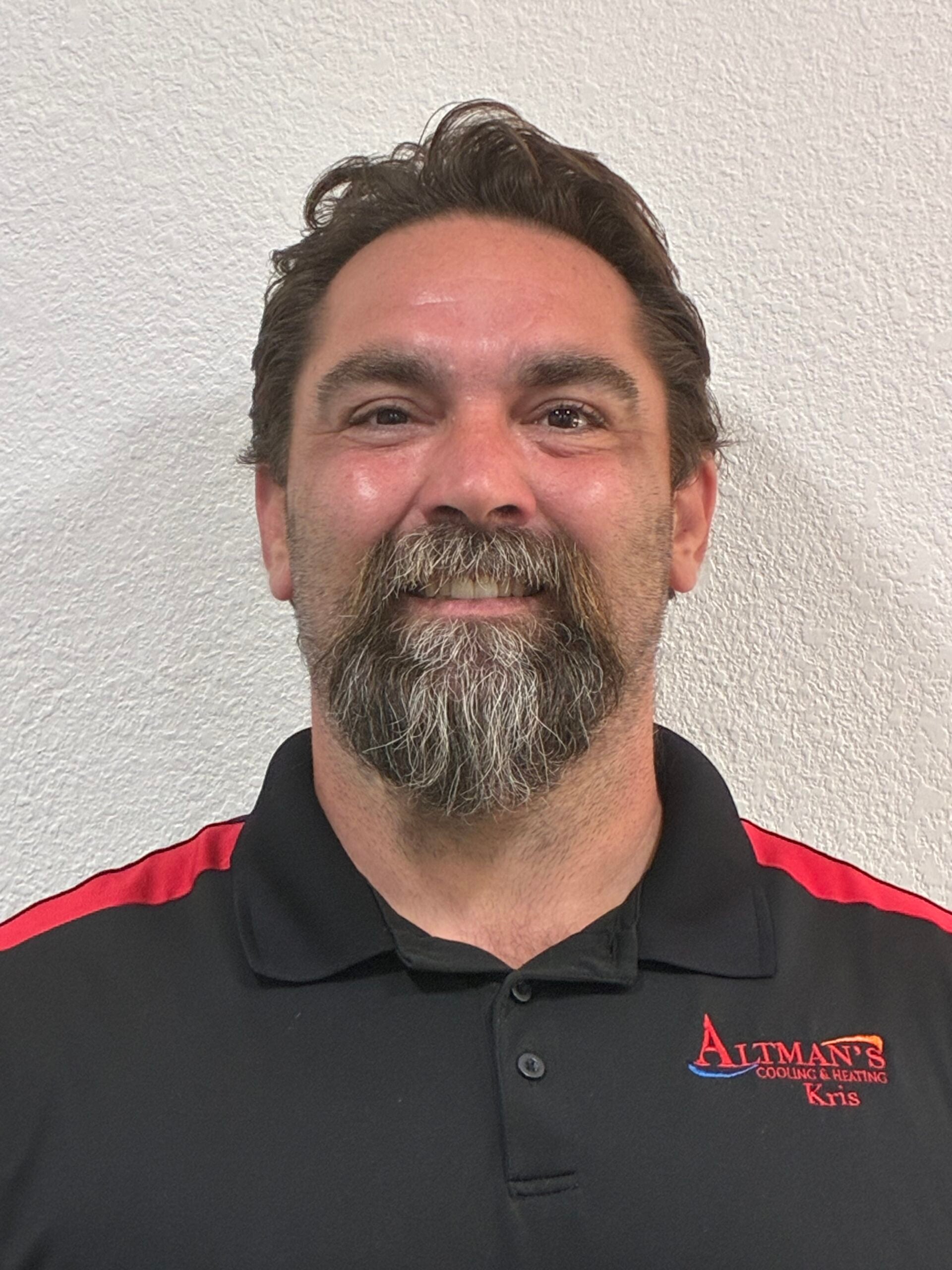
Kris, Service Manager
Kris is the Service Manager at Altman's Cooling & Heating, bringing over 20 years of dedication and expertise to the team. His deep roots with the company reflect the same values Altman's was built on: integrity, reliability, and a genuine commitment to doing the job right.
Outside of work, Kris is a family man at heart who loves rolling up his sleeves and building things from the ground up. Whether he's in the garage working on a metal fabrication project or tackling something new with his hands, his passion for craftsmanship carries directly into the way he leads the service team.