
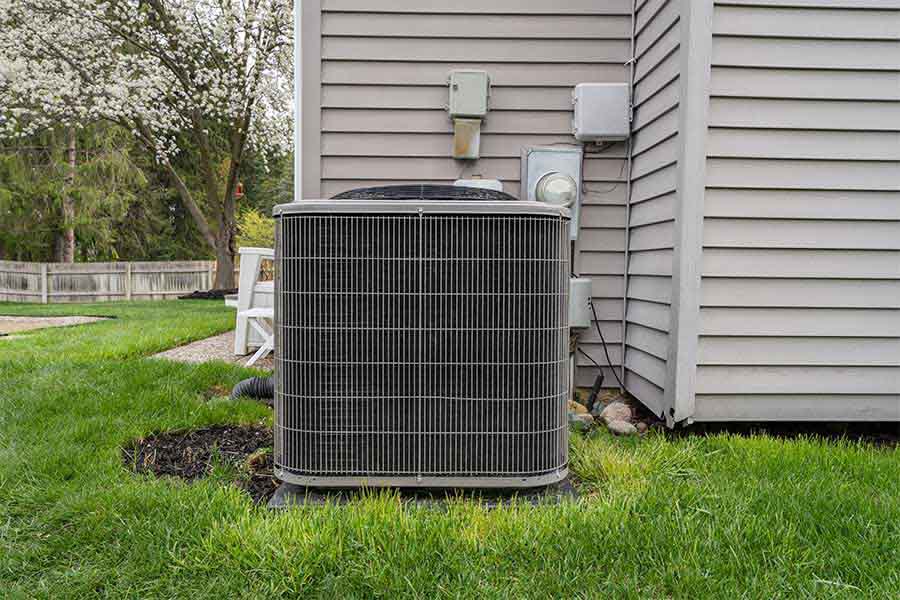
As homeowners in Cape Canaveral, we can keep our AC running smoothly with a few simple steps! First, check the thermostat settings and ensure it’s set to “cool.” Next, inspecting the air filter for dirt or clogs can significantly improve airflow. Don’t forget to examine the circuit breaker for any tripped switches. Clearing the condenser unit of debris is also essential. Finally, listen for unusual noises that might indicate problems. You’ll find even more helpful tips ahead!
Check the Thermostat Settings
Before proceeding to more complex troubleshooting steps, let’s first check the thermostat settings, as they are often the simplest solution to our AC issues.
It might seem basic, but verifying the thermostat is set to the desired temperature can save us time and headaches. We should also confirm that it’s set to “cool” mode, especially during the hot months.
If our thermostat is programmable, let’s double-check the schedule. Sometimes, it might be set to turn off or raise the temperature at unexpected times.
We should also take a moment to inspect the batteries, as dead batteries can lead to a non-responsive unit.
Finally, if our thermostat has a display, let’s ascertain it’s functioning properly; any error messages can provide clues. Additionally, properly functioning thermostats are crucial for maintaining comfortable indoor environments.
Inspect the Air Filter
After checking the thermostat settings, inspecting the air filter is next. A dirty filter can severely impact our AC system’s efficiency, leading to higher energy bills and potential breakdowns.
Let’s verify it’s clean and properly installed.
Here are a few key points to take into account while inspecting the air filter:
- Location: Know where your filter is located; it’s often near the air handler or in the return duct.
- Condition: Check for dust, debris, or discoloration—if it looks clogged, it’s time for a change.
- Type: We need to understand the type of filter we have; some need replacing every month, while others last up to three months.
- Installation: Verify it’s installed correctly, with the airflow arrows pointing in the right direction. Regular filter replacement is essential for maintaining optimal HVAC performance and avoiding costly repairs.
Examine the Circuit Breaker
One essential step in troubleshooting our AC system is to examine the circuit breaker. We often overlook this simple yet vital component.
When our air conditioning isn’t working, a tripped breaker could be the culprit. Let’s head to the electrical panel and check for any switches that are in the “off” position or have a noticeable difference in position compared to the others.
If we find one tripped, we can reset it by flipping it back to the “on” position. However, if the breaker trips again immediately, it might indicate an underlying issue that needs addressing. In that case, it’s wise to consult a professional, as timely repairs can prevent increased energy consumption and utility bills.
Clear the Condenser Unit
Once we’ve confirmed the circuit breaker is functioning correctly, the next step is to clear the condenser unit.
Keeping this unit clean is essential for peak performance. A dirty condenser can restrict airflow and cause inefficiencies. So, let’s tackle this together!
Here are some quick steps to get started:
- Turn off the power: Safety first! Verify that the power to the unit is off before you begin.
- Remove debris: Clear away leaves, dirt, and obstructions around the unit.
- Clean the coils: Use a soft brush or a vacuum to clean the coils, removing dust and grime gently.
- Check the fins: Straighten any bent fins with a fin comb to improve airflow.
Regular cleaning of the coils helps maintain optimal performance and prevents costly repairs.
Listen for Unusual Noises
Have you ever noticed strange sounds coming from your AC unit? These noises can be more than just annoying; they often indicate underlying issues that need attention.
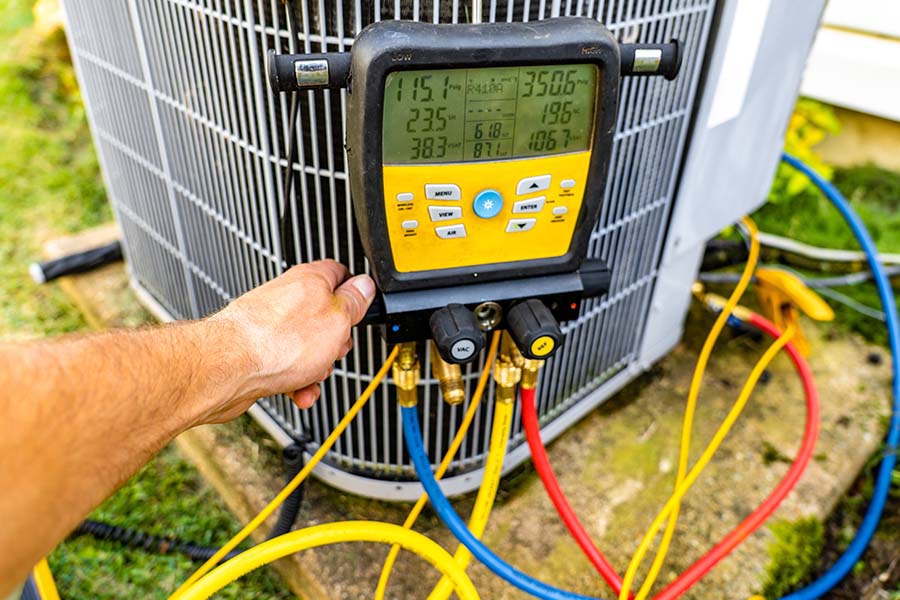
We must take note when we hear clanking, buzzing, or hissing. Clanking may signal a loose or broken component, while buzzing could point to electrical problems. Hissing often indicates a refrigerant leak, which can compromise your system’s efficiency.
We should also pay attention to high-pitched squeals, which might mean the fan motor is failing. Ignoring these sounds can lead to more significant issues and costly repairs.
If we identify any unusual noises, it’s wise to consult a professional for a thorough inspection.
At Altmans AC & Heating, we’re here to help diagnose and resolve any AC problems, ensuring your home stays comfortable all year round.
Conclusion
In the heat of summer, a well-functioning AC is our refuge, but a malfunctioning unit can feel like a looming storm. By taking a proactive approach with these troubleshooting tips, we can shift from frustration to relief, transforming potential chaos into comfort. Just as we care for our homes, let’s nurture our cooling systems. With a little effort, we can guarantee our sanctuary remains a cool haven, even when the temperatures outside soar.