
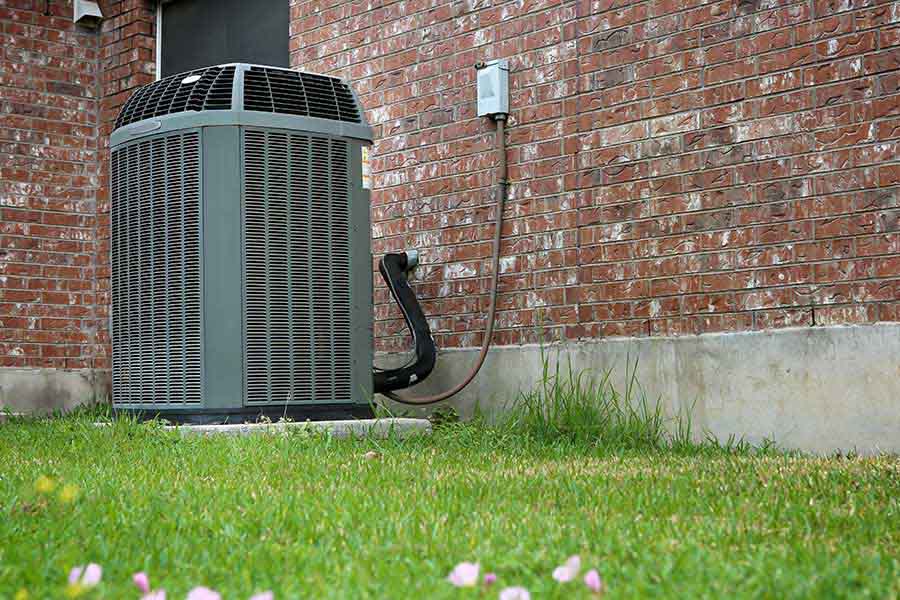
To guarantee your heat pump runs efficiently in Titusville, FL, clean or replace air filters regularly and schedule annual professional maintenance. Keep the outdoor unit clear of debris and maintain some clearance for ideal airflow. Monitor your thermostat settings, aiming for comfort without drastic changes. Finally, inspect refrigerant lines for leaks and check your insulation to avoid efficiency loss. There are plenty more tips that can boost your heat pump’s performance throughout the seasons.
Regularly Clean or Replace Air Filters
As you maintain your heat pump, one of the simplest yet most effective tasks is to regularly clean or replace the air filters.
Dirty filters restrict airflow, forcing your system to work harder, which can lead to higher energy bills and reduced efficiency. Ideally, you should check the filters every month, especially during peak usage seasons. If you notice they’re clogged with dust and debris, it’s time for a cleaning or replacement.
For homes with pets or allergies, you might need to replace filters more frequently.
Opt for high-efficiency particulate air (HEPA) filters to capture smaller particles, improving your indoor air quality. When you keep those filters clean, you not only extend the life of your heat pump but also enhance its performance. Regular maintenance helps prevent costly breakdowns, ensuring a comfortable living space year-round.
A little maintenance goes a long way in saving you money and ensuring a comfortable living space year-round.
Schedule Professional Maintenance Annually
Scheduling professional maintenance for your heat pump at least once a year is vital for its longevity and efficiency. Regular check-ups by experienced technicians can identify potential issues before they escalate, saving you from costly repairs down the line.
During these visits, professionals will inspect and clean essential components, ensuring your system runs smoothly and efficiently. You’ll also benefit from their expertise in spotting inefficiencies that could lead to higher energy bills.
A well-maintained heat pump not only functions better but can also extend its lifespan considerably. Don’t wait until your system shows signs of trouble; proactive maintenance is key. Additionally, regular maintenance helps prevent breakdowns and inefficiencies, ensuring peak performance year-round.
Consider partnering with Altmans AC & Heating, known for its commitment to customer service and quality work. They offer tailored maintenance plans that fit your needs, ensuring your heat pump continues to deliver peak performance year after year.
Make that annual appointment a priority, and enjoy peace of mind with a reliable heating and cooling system.
Keep the Outdoor Unit Clear of Debris
To guarantee your heat pump operates efficiently, keeping the outdoor unit clear of debris is essential. Regularly inspect the area around the unit for leaves, dirt, or any other obstructions that might block airflow. A clear space allows your heat pump to draw in air effectively, maintaining peak performance.
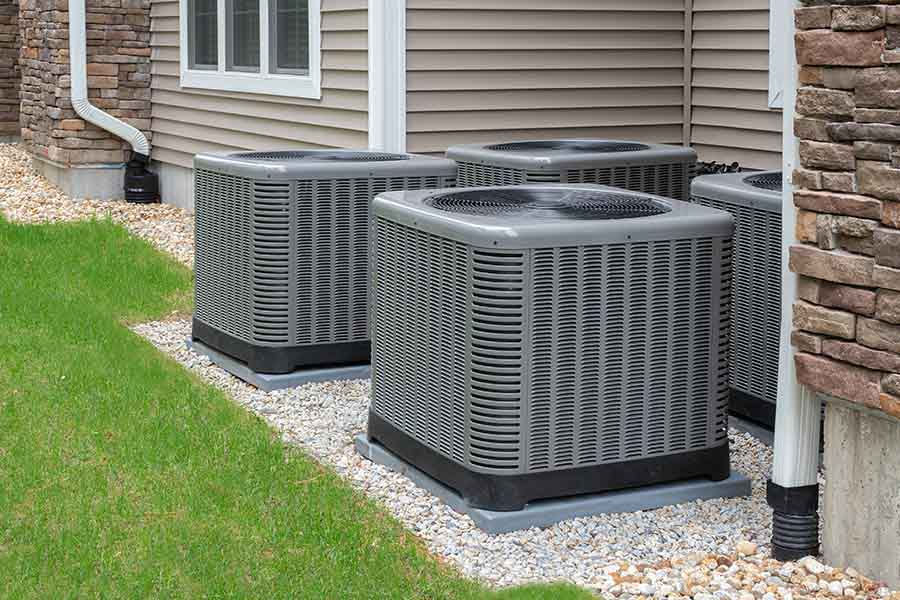
Aim for at least two feet of clearance around the unit. Trim back any shrubs, branches, or plants that may encroach on this space. If you notice any debris caught in the fins or coils, gently remove it to prevent damage.
During stormy weather, check for fallen branches or litter that may accumulate. You can also hose down the unit occasionally to wash away dust and grime. Additionally, ensuring proper maintenance can help extend the lifespan of your heat pump, as energy-efficient operation is crucial for maximizing performance.
Monitor Thermostat Settings and Efficiency
How often do you check your thermostat settings? Keeping an eye on your thermostat is essential for your heat pump’s efficiency. Regularly reviewing the temperature settings helps guarantee your system runs at peak performance.
If you haven’t already, consider upgrading to a smart thermostat. These devices can learn your habits and adjust temperatures automatically, saving you energy and money. Upgrading to smart thermostats enhances energy efficiency and provides remote access for convenient temperature adjustments.
Set your thermostat to the recommended temperatures—usually around 68°F in winter and 78°F in summer. Avoid drastic temperature changes, as they can cause your heat pump to work harder, leading to higher energy bills.
Also, check for any discrepancies between the actual temperature and what your thermostat reads. If you notice significant differences, it might indicate a malfunction or calibration issue.
Check for Refrigerant Leaks and Insulation Issues
After confirming your thermostat settings are optimized, it’s time to check for refrigerant leaks and insulation issues that can affect your heat pump’s efficiency.
Start by inspecting the refrigerant lines for any signs of damage or wear. If you notice any ice buildup or hissing sounds, you might’ve a refrigerant leak that needs immediate attention. Low refrigerant levels can lead to reduced cooling or heating performance, so call a professional to handle repairs.
Next, examine your home’s insulation. Poor insulation can let conditioned air escape, making your heat pump work harder and increasing energy bills.
Check areas like the attic, basement, and around windows and doors for any gaps or worn insulation. Adding insulation or sealing gaps can greatly improve your system’s efficiency.
Conclusion
By taking these simple steps, you’re not just maintaining your heat pump; you’re nurturing a cozy sanctuary in your home. Think of it as giving your system a little TLC to keep it humming happily through the seasons. Regular check-ups and a bit of attention go a long way in avoiding those pesky surprises down the road. So, roll up your sleeves and embrace the care your heat pump deserves—it’ll reward you with comfort and savings for years to come!