

To guarantee an efficient heat pump system in Titusville, FL, start by choosing the right size and model based on your space and climate. Place the outdoor unit in a shaded area with enough clearance for airflow, and install the indoor unit centrally. Properly insulate and seal gaps around windows and ducts to minimize energy loss. Schedule regular maintenance for peak operation. Consider integrating a smart thermostat for enhanced control. There’s more to explore for optimizing your setup!
Choosing the Right Heat Pump for Your Home
When you’re choosing the right heat pump for your home, how do you know which one fits your needs best? Start by evaluating your space’s size and insulation. A heat pump’s efficiency depends on its ability to manage your home’s specific heating and cooling demands.
Next, consider the climate in Titusville, FL. You’ll want a model designed to handle the humidity and temperature fluctuations typical of your region.
Don’t forget to check the unit’s efficiency ratings, like the SEER and HSPF. Higher ratings mean better energy savings.
Also, think about your budget. Investing in a heat pump can pay off in the long run, especially if you explore flexible financing options.
Finally, consult with a trusted HVAC professional, like Altmans AC & Heating, who can guide you through the selection process and recommend the best system tailored to your needs. Regular maintenance helps prolong the heat pump’s lifespan and ensures that your investment remains efficient and effective over time.
Optimal Placement and Installation Considerations
After selecting the right heat pump, the next step is determining its ideal placement and installation.
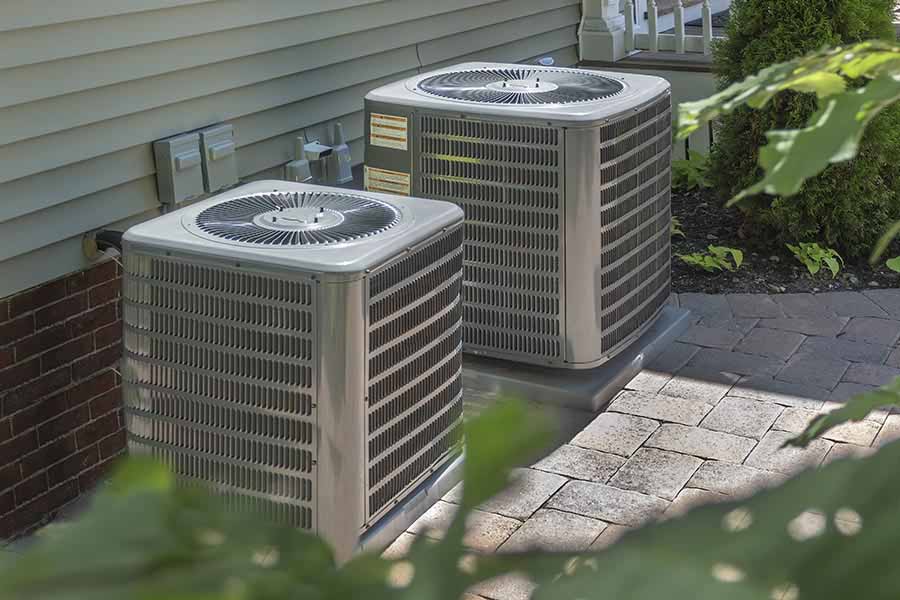
Position your heat pump outdoors in a shaded area to enhance efficiency and reduce energy costs. Make certain to keep it at least two feet away from any obstructions, such as fences or shrubs, to guarantee proper airflow.
When installing indoors, place the unit in a central location for maximum air distribution throughout your home.
Verify the unit is level to avoid operational issues and excessive noise. If you’re installing a ductless system, consider the layout of your rooms and the placement of indoor units for peak comfort.
Also, think about accessibility for maintenance and repairs—easy access can save you time and money in the long run. Additionally, consulting with a professional installer ensures that your system is compliant with local codes and regulations, which can prevent future headaches.
Finally, don’t forget to consult with a professional installer to confirm everything meets local codes and regulations.
Ensuring Proper Insulation and Sealing
To guarantee your heat pump operates efficiently, proper insulation and sealing of your home are essential.
Start by checking for gaps and cracks around windows, doors, and vents. Seal these openings with weatherstripping or caulk to prevent air leaks, which can drastically affect your system’s performance.
Next, confirm your attic and walls are well-insulated. Insulation helps maintain the desired temperature, reducing the workload on your heat pump. Consider adding insulation if you find your current levels lacking.
Don’t forget about ductwork! Leaky ducts can waste energy and lead to uneven heating. Inspect your ducts for any signs of wear or damage and seal them with mastic or metal tape. Proper air duct sealing is crucial for maximizing HVAC system performance and improving energy efficiency.
Regular Maintenance for Long-Term Efficiency
While a heat pump can provide efficient heating and cooling, regular maintenance is essential to keep it running at its best.
To guarantee ideal performance, schedule routine inspections at least once a year. This allows technicians to identify potential issues early, preventing costly repairs down the line.
Keep the outdoor unit clear of debris, such as leaves and dirt, to maintain airflow.
You should also clean or replace filters monthly, as clogged filters can greatly reduce efficiency.
Additionally, check the thermostat settings regularly and verify they align with your comfort needs.
If you notice any unusual noises or fluctuating temperatures, don’t hesitate to call a professional. Regular maintenance extends the lifespan of your heating system, ensuring long-term reliability and comfort.
Smart Thermostat Integration for Enhanced Control
Regular maintenance keeps your heat pump operating efficiently, but integrating a smart thermostat can take your control to the next level.
With a smart thermostat, you can optimize your heating and cooling settings for enhanced comfort and energy savings. You’ll appreciate the convenience and flexibility that comes with this technology.
Here are some benefits of smart thermostat integration:
- Remote Access: Control your system from anywhere using your smartphone or tablet.
- Energy Monitoring: Track energy usage to identify patterns and make adjustments for savings.
- Scheduling Features: Set customized schedules that align with your lifestyle, reducing energy waste when you’re away.
Conclusion
In Titusville, FL, your heat pump’s efficiency hinges on smart installation choices. By selecting the right unit, placing it ideally, and ensuring proper insulation, you set the stage for comfort and savings. But here’s the catch: without regular maintenance and smart thermostat integration, all your efforts could fall flat. Don’t let your investment go to waste—embrace these tips to access the full potential of your heat pump. Are you ready to transform your home into an energy-efficient haven?