
Choosing the best type of AC unit is not simply a matter of selecting the most familiar brand or the highest efficiency rating. The right system depends on your home’s layout, existing ductwork, square footage, insulation, comfort concerns, and budget. In Titusville and surrounding Space Coast communities, Florida’s heat and humidity also make moisture control and dependable cooling especially important.
For many homeowners, the decision comes down to central air conditioning, a heat pump, or ductless mini-splits. Each can be a smart option in the right setting. The goal is to match the equipment to the home instead of forcing a one-size-fits-all system into a space it was not designed to serve.
When Central Air Conditioning May Be the Best Choice
Central air conditioning is often practical when a home already has well-designed, serviceable ductwork. During AC installation, the system is configured to cool air at a central indoor component and distribute it through supply ducts. Return-air pathways bring warmer air back to the equipment so the cycle can continue.
A central system may be a strong fit when you want consistent cooling throughout most of the home, one primary thermostat, whole-home filtration options, and equipment that works with an existing duct network.
However, new equipment cannot correct every duct problem on its own. Leaks, crushed sections, inadequate returns, poor insulation, and imbalanced airflow can reduce comfort even when the outdoor unit is new. A professional evaluation should consider the complete system, not just the condenser.
Central air equipment must also be sized for the actual home. ENERGY STAR cautions that oversized HVAC equipment may cycle too frequently, reduce comfort, and shorten equipment life. Proper airflow and refrigerant charge also affect efficiency and reliability.
When Ductless Mini-Splits Make More Sense
Ductless mini-splits use an outdoor unit connected to one or more indoor air handlers. Because they do not rely on conventional ductwork, they can provide targeted comfort where extending or rebuilding ducts would be impractical.
They may be a good choice for home additions, converted garages, workshops, detached spaces, older homes without usable ductwork, or rooms that stay warmer than the rest of the house. They also allow separate temperature control in different zones.
The U.S. Department of Energy describes ductless air-source heat pumps as flexible systems for homes without existing ductwork and notes their usefulness for zone heating and cooling.
Ductless does not mean installation-free. Indoor and outdoor units must be sized and positioned carefully, and refrigerant lines, drainage, and electrical connections must be installed correctly. Poor placement can produce uneven comfort or ineffective air distribution.
Altman’s Cooling & Heating services mini-splits from Gree, Mitsubishi, and Carrier. A technician can help determine whether one indoor unit or a multi-zone design is appropriate for the qualifying space.
Should You Consider a Heat Pump?
A heat pump cools during warm weather and reverses operation to provide heat when temperatures fall. It may appeal to Florida homeowners who want a single electric system for both functions, and it can be configured as a ducted central system or a ductless mini-split.
A heat pump may be especially useful in Florida, where cooling is the primary concern for much of the year but some heating is still needed during cooler weather. The correct choice depends on the home’s configuration, the condition of existing equipment, electrical capacity, and the homeowner’s comfort priorities.
When comparing a heat pump with a straight-cool air conditioner, ask about its cooling efficiency, heating performance, compressor operation, thermostat compatibility, maintenance needs, and total installed cost.
Why AC Sizing Matters as Much as System Type
Even the best type of AC unit can disappoint when it is improperly sized. Bigger does not automatically mean better cooling. An oversized system may cool the air quickly and shut off before completing an effective cycle, contributing to temperature swings and inadequate humidity removal. An undersized system may run for long periods and still struggle to meet demand.
A proper load calculation considers more than square footage. It may account for:
- Window size and orientation
- Ceiling height
- Insulation levels
- Air leakage
- Number of occupants
- Heat-producing appliances
- Renovations or home additions
- Existing duct condition
- Local outdoor temperatures
ENERGY STAR notes that an air conditioner that is too large may cool a room before removing enough humidity, leaving the space feeling damp or clammy.
A contractor who selects equipment based solely on square footage may overlook important characteristics of the property. Ask whether the proposed system size is based on a professional load calculation rather than a general rule of thumb.
Compare Efficiency Without Looking at One Number Alone
SEER2 is a seasonal efficiency measurement used for central air conditioners and heat pumps. In general, a higher rating indicates greater cooling efficiency under the test procedure. ENERGY STAR defines SEER2 as the seasonal heat removed from a conditioned space divided by the electrical energy used during the cooling season.
The rating does not guarantee low utility bills or comfort on its own. Installed performance also depends on sizing, refrigerant charge, duct condition, airflow, thermostat setup, insulation, and maintenance. Correctly installed mid-range equipment may outperform premium equipment connected to leaky ducts.
Higher-efficiency equipment may provide valuable long-term benefits in a Florida home where the cooling system operates frequently. However, homeowners should compare the total installed cost, expected use, system features, maintenance needs, and warranty coverage rather than focusing exclusively on a single efficiency rating.
Do Not Overlook Humidity Control
Florida homeowners need to consider more than thermostat temperature. Indoor humidity affects how comfortable the home feels and how hard the equipment must work.
Two-stage and variable-capacity systems can adjust their output instead of operating only at full capacity. Depending on the equipment and installation, longer cycles at lower output may support steadier temperatures and moisture removal. Ductless systems can also give separate zones independent control.
Ask how the proposed system will manage cooling, moisture removal, airflow, and room-to-room balance. The answer should be specific to your home.
A property with persistently high indoor humidity may also have duct leakage, airflow limitations, insulation gaps, drainage problems, or improperly sized equipment. Installing a new system without investigating those issues may leave the underlying comfort problem unresolved.
Consider the Condition of Your Ductwork
Existing ductwork is an important part of deciding whether central air conditioning remains the right option. Ducts can develop leaks, separated connections, insulation damage, restrictions, or design problems that limit the amount of conditioned air reaching each room.
Before replacing a central system, have the ducts evaluated for:
- Visible damage or disconnected sections
- Air leakage
- Restricted or crushed ducts
- Inadequate supply or return airflow
- Damaged insulation
- Uneven room temperatures
- Excessive dust around vents
Some homes may benefit from targeted duct repairs rather than a complete redesign. In other properties, correcting the duct system may be essential to receiving the expected performance from new equipment.
Consider Installation and Long-Term Ownership
The equipment price is only one part of the decision. Review whether the proposal includes a load calculation, necessary duct or electrical work, drainage, thermostat updates, and final testing.
Compare maintenance requirements and warranty coverage as well. Ask who will service the equipment after installation and whether the contractor has experience with the specific system type being proposed.
Altman’s Cooling & Heating provides a one-year warranty on the parts and services it supplies. Qualifying applicants may apply through Synchrony for 36 months at 0% financing. Altman’s Cooling & Heating does not directly provide the financing, and approval is subject to Synchrony’s qualification requirements.
How to Decide Which AC Unit Is Right for You
Central air conditioning is often the better fit for whole-home comfort when suitable ductwork is already present. Ductless mini-splits may be preferable for additions, isolated problem areas, or spaces where ducts do not make sense. A ducted or ductless heat pump may be appealing when you want both cooling and electric heating from a single system.
A reliable decision process includes:
- Identifying which rooms or areas require cooling.
- Inspecting the existing equipment and ductwork.
- Calculating the home’s actual cooling load.
- Comparing properly sized equipment options.
- Reviewing humidity control, efficiency, warranties, and maintenance.
- Considering the complete installed cost.
- Choosing an experienced contractor to install and service the system.
The best type of AC unit is ultimately the one that provides an appropriate balance of comfort, efficiency, reliability, and cost for your specific property.
Find the Best Type of AC Unit With Altman’s Cooling & Heating
The best type of AC unit is the one that fits your property, manages Florida humidity, and is installed for dependable performance. Altman’s Cooling & Heating is a family-owned company serving Titusville and surrounding communities within approximately 35 miles of its office.
The team is known for thorough inspections, offers a $29 diagnostic service, provides a one-year warranty on the parts and services it supplies, and offers a VIP maintenance plan to pass savings along to customers.
Call or schedule service to discuss central air conditioning, qualifying ductless mini-splits, heat pumps, or AC replacement options for your home.
Frequently Asked Questions
Neither option is universally better. Central air conditioning often suits homes with usable ductwork and a need for whole-home cooling. A ductless system may be better for targeted zones, additions, or properties where extending ducts would be difficult. The condition of the home and its existing HVAC equipment should guide the decision.
They can be, particularly for additions, converted rooms, detached spaces, or areas needing independent temperature control. Proper sizing, placement, drainage, and professional installation are essential. Altman’s Cooling & Heating services Gree, Mitsubishi, and Carrier mini-splits.
A contractor should perform a load calculation based on the home’s construction, windows, insulation, air leakage, orientation, occupancy, and other factors. Square footage alone is not enough to determine the correct system capacity.
Not automatically. Efficiency matters, but sizing, duct condition, installation quality, maintenance, humidity control, system features, and budget should also influence the decision.
It may help when the existing equipment is failing or incorrectly sized. However, uneven temperatures can also result from duct leaks, restricted airflow, inadequate return-air pathways, insulation gaps, or heat entering through certain windows and exterior walls.
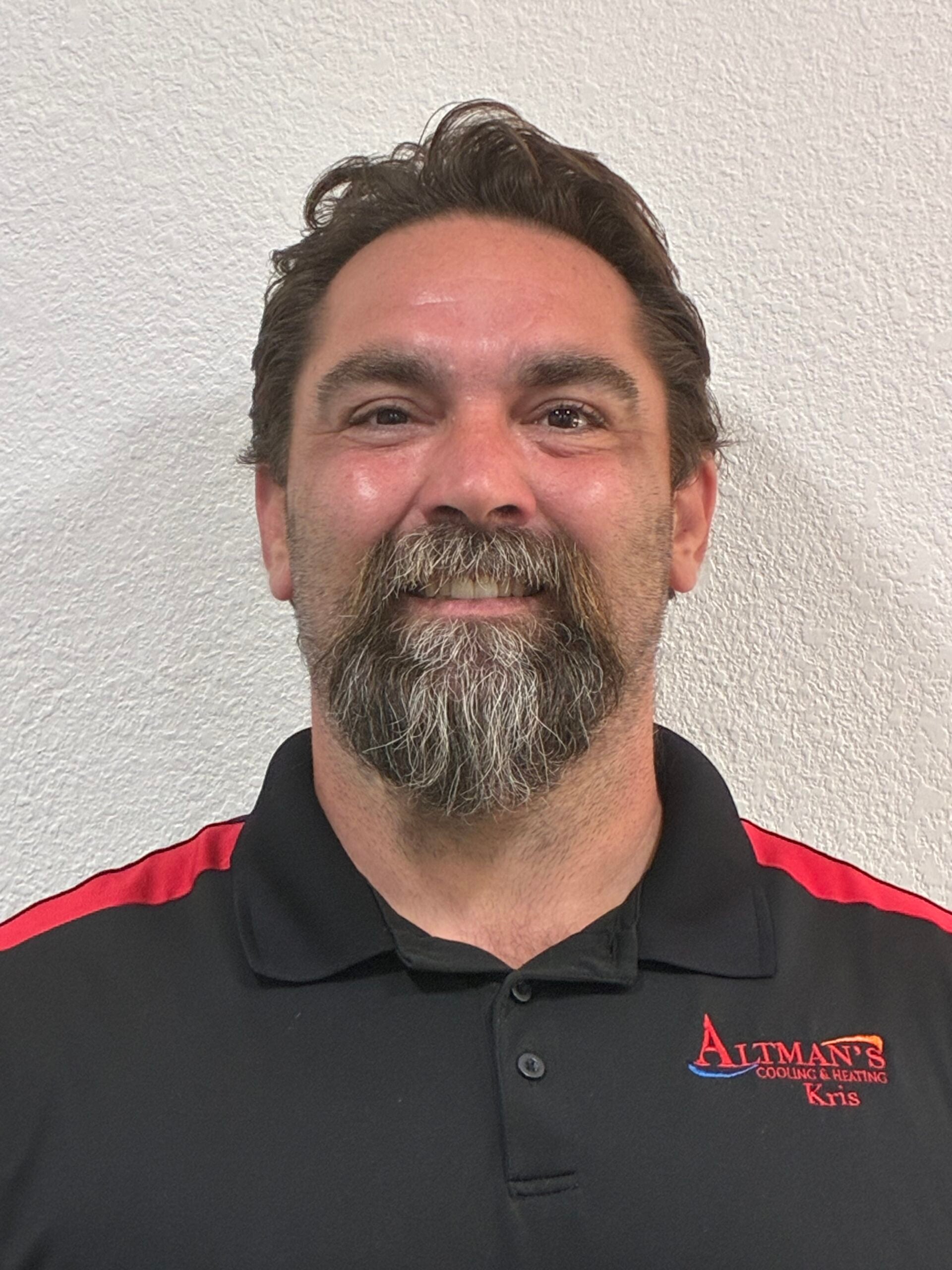
Kris, Service Manager
Kris is the Service Manager at Altman's Cooling & Heating, bringing over 20 years of dedication and expertise to the team. His deep roots with the company reflect the same values Altman's was built on: integrity, reliability, and a genuine commitment to doing the job right.
Outside of work, Kris is a family man at heart who loves rolling up his sleeves and building things from the ground up. Whether he's in the garage working on a metal fabrication project or tackling something new with his hands, his passion for craftsmanship carries directly into the way he leads the service team.